
SecondLife is our editorial space where we explore how architecture can give new purpose to shipping containers. From iconic projects around the world to fresh ideas on circular design, we share stories that inspire a more sustainable and elegant future.

Alessandro Giametta
Co-Founder

From steel sheet to living modules: how a shipping container is born, and how it can be transformed into a luxury villa.
Take a flat sheet of steel, barely two millimetres thick.
If you try to place a heavy load on it or bend it, it will give way with minimal effort. So how can a structure made from that very same thin sheet of metal support tens of tonnes in the middle of the ocean?
The answer is more complex than it may seem, and it lies in the intimate properties of metal.
When the steel sheet is shaped under pressure without being heated (a process known as cold forming) the material undergoes a controlled stress. The pressure of the bend pushes the steel beyond its natural elastic limit without breaking it, permanently modifying its internal structure.
This phenomenon is known as work hardening: the steel literally “learns” from the force it receives and becomes harder, instantly multiplying its lateral resistance.
From a 2D Sheet to a 3D Container

How does a simple roll of flat metal become the solid, armoured box that travels across the oceans?
The manufacturing process is a true industrial journey, transforming raw material into a giant of the seas through a series of coordinated phases.
Everything begins with enormous coils of Corten steel — usually following the SPA-H standard — an extraordinary metal alloy enriched with copper, chromium and nickel. These coils are unrolled, cleaned of any impurities and rust, and finally cut into panels of the exact required size.
This is where shaping comes into play.
The thin sheets pass through powerful hydraulic presses that imprint the typical corrugated profile we all recognize. It is precisely this bending process that, as we have seen, “awakens” the metal and makes it incredibly rigid without the need for thicker, heavier sheets.
At the same time, the structural skeleton of the container begins to take shape.
This is where high-strength components are prepared, starting with the heavy corner blocks — the so-called corner castings, regulated by ISO 1161. These are the only anchoring points used by cranes and transport equipment to lift, move and secure the container.
Then come the cross members and perimeter beams: the robust structural elements that form the container’s frame.
At this point, walls and skeleton are assembled like pieces of a puzzle. A team of robots joins them together through continuous and precise welding, creating a single sealed block, free from gaps and watertight.
Finally, the finishing elements are installed. The rear doors are fitted with thick rubber gaskets designed to prevent even a single drop of water from entering, while the internal flooring is laid. This is usually made from highly resistant 28 mm marine-grade plywood or treated bamboo panels, designed to withstand moisture and the constant weight of forklifts moving goods inside the container.
From Metal Box to Luxury Villa
Once this journey is complete, the container is ready to face years of sea travel, weather exposure and extreme conditions.
But its usefulness does not end among the waves of the ocean.
In recent years, architects and designers have understood that this extraordinary steel cage, incredibly resistant, economical and modular, can become an ideal foundation for contemporary architecture.
This is precisely where the transition becomes interesting for us at FDAG Studio.
The real magic lies in the possibility of reusing containers that have already “lived” for years, crossing seas and continents around the world. Modules that have already proven their strength in the most demanding conditions can be regenerated and transformed into exclusive, sophisticated residences.
This construction philosophy is expanding rapidly on a global scale, not only because of its industrial aesthetic appeal, but also because of its strong ecological value.
In our projects, these modules are treated with advanced thermal envelopes, combining high-density rock wool with aerospace-derived Aerogel to eliminate thermal bridges. Together with cutting-edge building systems, they can reach NZEB standards - Nearly Zero Energy Building - becoming structures with almost zero energy consumption.
Thanks to our know-how and engineering vision, what was once a robust shell for transporting goods can become a modern, eco-conscious luxury villa, designed to last for an entire lifetime.
It is the perfect demonstration of how the story of an ocean journey can be transformed into the home of your dreams.
Read more

SecondLife 08 | The Dark Side Of Ocean Voyages
SecondLife is our editorial space where we explore how architecture can give new purpose to shipping containers. From iconic projects around the world to fresh ideas on circular design, we share stories that inspire a more sustainable and elegant future.
Alessandro Giametta
Co-Founder
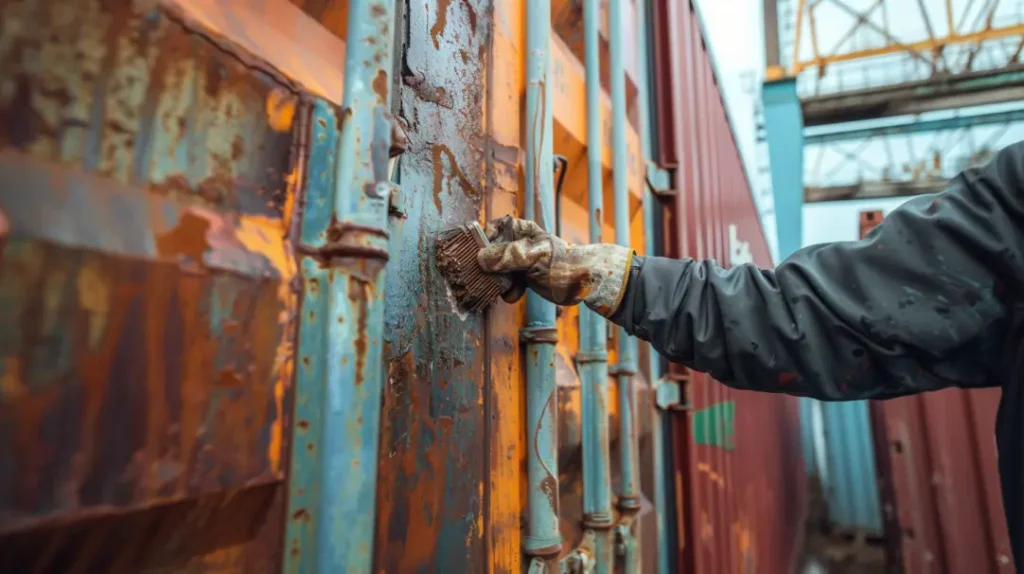
SecondLife 07 | Containers are designed to Rust
SecondLife is our editorial space where we explore how architecture can give new purpose to shipping containers. From iconic projects around the world to fresh ideas on circular design, we share stories that inspire a more sustainable and elegant future.
Alessandro Giametta
Co-Founder
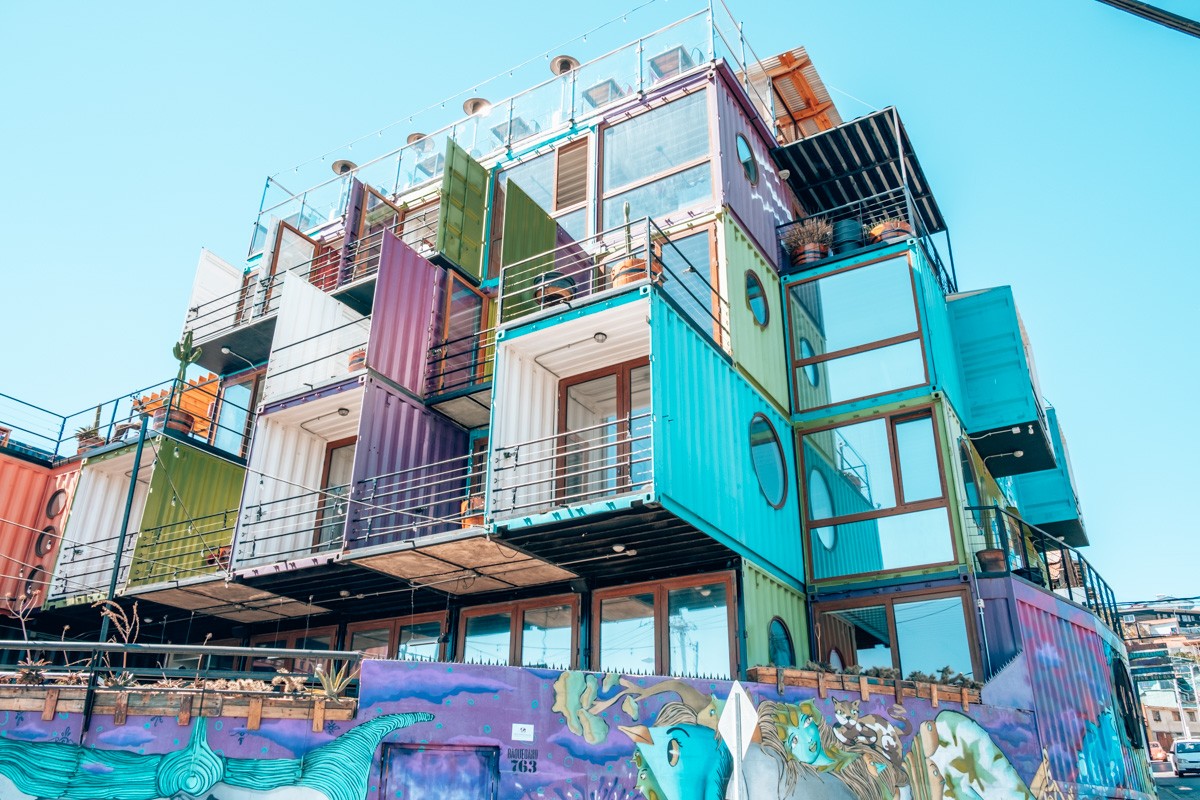
SecondLife 06 | WineBox Hotel by Grant Phelps & Camila Ulloa
SecondLife is our editorial space where we explore how architecture can give new purpose to shipping containers. From iconic projects around the world to fresh ideas on circular design, we share stories that inspire a more sustainable and elegant future.

Francesca Dipino
Co-Founder